
Something unusual happens when couples sit down for their first menu tasting at Stone House. They notice it before anyone explains the kitchen philosophy. The food tastes cleaner. Richer, somehow, but without the heaviness they associate with catered events. The roasted vegetables have a depth that lingers. The seared proteins carry flavor that doesn't fade behind a slick of industrial oil. And the desserts — pastry cream made with real butter, tart shells with lard or coconut oil — taste like the versions their grandmothers made, if their grandmothers had trained at Michelin-starred kitchens.
That difference comes down to a decision Stone House made early on: no seed oils. No canola. No soybean oil. No vegetable oil blends. No corn oil. Nothing extracted from seeds through industrial processing. Every dish that leaves the Stone House kitchen is cooked in olive oil, grass-fed butter, tallow, lard, coconut oil, or avocado oil — fats that humans have used for thousands of years, long before factory extraction existed.
It's a distinction that might sound minor on paper. In practice, it changes everything about how food tastes, how guests feel after a four-course dinner, and what it means to host a celebration where the food actually nourishes the people you've gathered.
What Seed-Oil-Free Actually Means
The term gets thrown around in wellness circles, and it's worth being precise about what Stone House means by it. Seed oils are cooking fats extracted from the seeds of plants — canola (rapeseed), soybean, corn, cottonseed, sunflower, safflower, and grapeseed. These oils don't exist in nature in liquid form. They require industrial processing: chemical solvents (usually hexane), high heat, deodorizing, and bleaching to become the clear, neutral-flavored oils that dominate commercial kitchens and packaged food.
The issue isn't that these oils are inherently poisonous. It's that they're ubiquitous, highly processed, and loaded with omega-6 fatty acids that — when consumed in the quantities modern diets deliver — promote chronic inflammation. Research published in journals like The BMJ and Nutrients has linked excessive omega-6 consumption to inflammatory conditions, metabolic dysfunction, and oxidative stress. When you eat at most catered events, seed oils are in everything: the salad dressing, the sauteed vegetables, the bread, the cake, the vinaigrette, the roasted potatoes. Your guests consume far more than they realize.
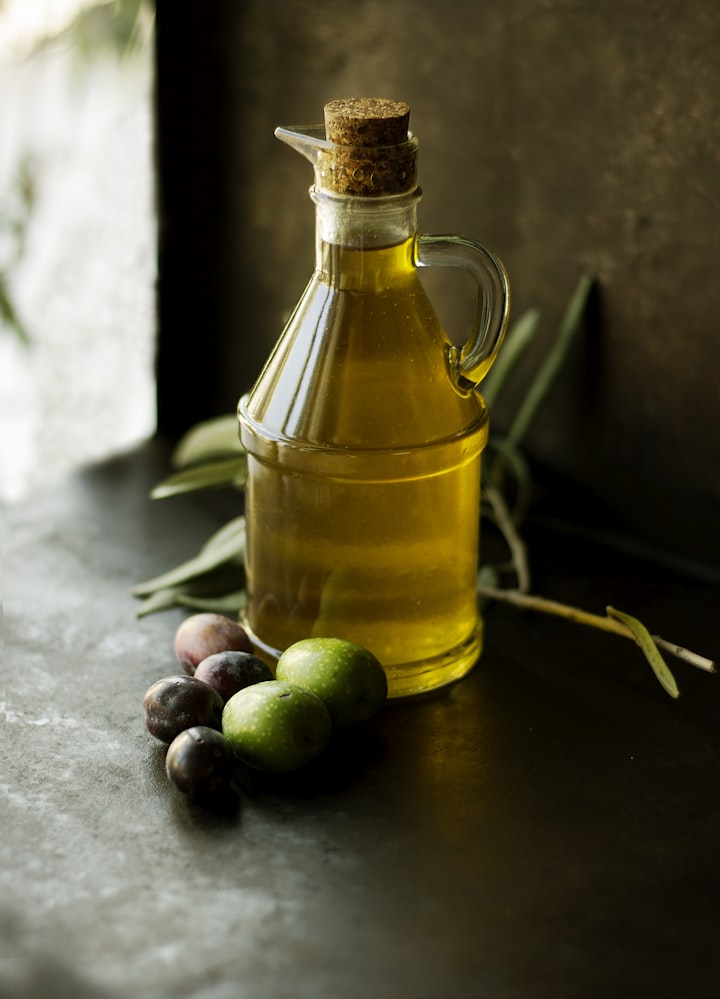
Stone House replaces all of those with traditional fats. Extra virgin olive oil for dressings, finishing, and medium-heat cooking. Grass-fed butter for sauces, pastry, and searing. Beef tallow rendered from Stemple Creek Ranch grass-fed cattle for high-heat applications like roasting and frying. Coconut oil for certain baked goods. Avocado oil when a neutral, high-smoke-point fat is needed. These fats are minimally processed, naturally stable at cooking temperatures, and rich in nutrients — omega-3s, fat-soluble vitamins, conjugated linoleic acid.
The result isn't just healthier food. It's better-tasting food. Traditional fats carry flavor in ways that neutral seed oils simply cannot. Butter makes a sauce luxurious. Tallow gives a roasted potato a crackling exterior that canola oil never achieves. Olive oil brings its own character — peppery, grassy, complex — to every dish it touches.
Why Health-Conscious Couples Are Asking About This
Five years ago, almost nobody asked about cooking oils when planning a wedding. Today, Stone House fields the question regularly. Couples who have overhauled their own diets — cutting seed oils, choosing pasture-raised proteins, prioritizing whole foods — don't want their wedding to be a step backward. They've spent months or years eating intentionally, and the idea of serving 150 guests food cooked in industrial canola oil feels contradictory to everything they believe about nourishment and hospitality.
This isn't a fringe concern. It's a reflection of a broader shift in how people think about food quality. The same couples who source their own groceries from farmers' markets and co-ops, who read ingredient labels and choose grass-fed over conventional, want that same standard applied to the most important meal they'll ever host. They're asking caterers hard questions: What oil do you use? Where does your butter come from? Is your beef grass-fed or grain-finished? Can you accommodate a guest who avoids all industrial fats?
Most caterers can't answer those questions well, because most commercial kitchens run on seed oils by default. It's cheaper. It's what suppliers stock. It's what culinary schools teach. Switching to olive oil and butter at scale requires different suppliers, different techniques, different costs. Stone House made that investment from the beginning, which means couples don't have to negotiate or compromise. The kitchen is already built around the philosophy they're looking for.
How Stone House Chefs Source and Cook
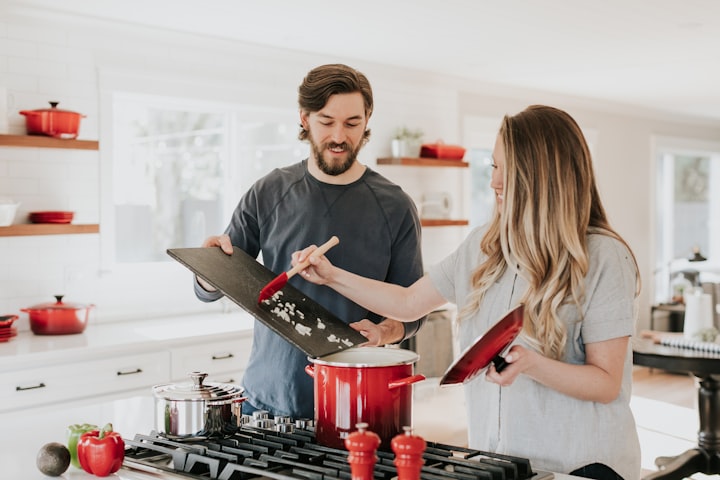
The seed-oil-free commitment is part of a larger sourcing philosophy that connects directly to Stone House Farms — the regenerative agricultural operation that grows produce on over an acre of land dedicated to chemical-free cultivation. Seasonal vegetables, herbs, and edible flowers come from the farm when available, supplementing relationships with local producers throughout the Sierra Foothills and Northern California.
Proteins follow the same logic. The partnership with Stemple Creek Ranch — a fourth-generation family operation in Marin County practicing regenerative ranching — supplies 100% grass-fed, grass-finished beef. When the chef renders tallow from Stemple Creek trimmings, that fat becomes the roasting medium for root vegetables and the searing fat for steaks. It's a closed loop: the animal was raised on regenerative pasture, the meat becomes the entree, and the rendered fat becomes the cooking medium for the sides. Nothing wasted, nothing industrial.
Fish comes from sustainable West Coast sources. Poultry is pasture-raised. Dairy is sourced from operations that prioritize animal welfare and traditional farming methods. The kitchen's olive oil comes from California producers — cold-pressed, single-origin, the kind of oil that has actual flavor because it hasn't been stripped of everything that makes it interesting.

World-class chefs execute all of this. These aren't line cooks following catering playbooks. Stone House brings in culinary professionals with fine-dining backgrounds who understand how to build a menu around traditional fats. They know that butter-basting a ribeye requires different timing than oil-basting. They know that olive oil emulsifies differently in a vinaigrette than canola. They know that tallow-roasted potatoes need higher initial heat and lower finishing temperature. The technical knowledge matters, because cooking with traditional fats is genuinely different from cooking with seed oils — and doing it at scale for 100 to 200 guests requires precision.
The Three Menu Tiers
Stone House offers three distinct menu tiers for private events, each built around the same seed-oil-free foundation. The difference between tiers isn't the quality of the fats or the sourcing philosophy — that's consistent across the board. The difference is the complexity of preparation, the number of courses, and the premium of the proteins.
The Prospector tier ($69–$79 per person) delivers a refined three-course experience. Seasonal salads dressed in house-made olive oil vinaigrettes. Choice of entree — often a grass-fed beef option alongside a sustainable fish or pasture-raised poultry alternative. Roasted seasonal vegetables finished in butter or tallow. Bread service with real butter. This tier covers most weddings beautifully and represents remarkable value for the quality of ingredients and preparation.
The Brewmaster tier ($79–$89 per person) expands the experience with additional courses, more elaborate preparations, and the option for dual entrees or family-style service. The appetizer course becomes more ambitious — think butter-poached shrimp, tallow-fried artichoke hearts, or seasonal tartare with olive oil and sea salt. The mains offer more customization, and dessert moves beyond a single option to a curated selection.
The Mother Lode tier ($89–$99 per person) is the full expression of what the Stone House kitchen can do. Multi-course tasting progression. Premium proteins — think dry-aged beef, whole-roasted fish, heritage pork. Composed plates where every element is individually sauced and finished. Amuse-bouche to start, intermezzo between courses, and a dessert course that rivals what you'd find at destination restaurants. Everything cooked in traditional fats, everything sourced with the same intention, but executed at a level of complexity that turns dinner into an event within the event.
Full menu details, seasonal availability, and pricing for each tier are available on the menus page.
Curious what a seed-oil-free menu looks like for your guest count and season? Explore the three menu tiers or get in touch to schedule a tasting.
The Menu Tasting Experience
Every couple who books Stone House for a private event goes through a menu tasting before their date. This isn't a checkbox exercise where you pick from a laminated sheet. It's a seated dinner — usually for two to four people — where the chef prepares a multi-course progression of the dishes being considered for your event. You taste everything. You give feedback. You adjust.
The tasting is where the seed-oil-free philosophy becomes tangible. Couples who have been eating clean at home often remark that this is the first catered food they've tasted that matches the standard of their own kitchen — or exceeds it. The butter sauces have a depth that industrial-fat versions lack. The roasted vegetables are caramelized in tallow, giving them a richness and crispness that olive oil spray in a hotel pan cannot replicate. The vinaigrettes taste like actual olive oil, because they are.
The tasting also reveals something practical: guests feel different after eating food cooked in traditional fats. There's no post-meal lethargy, no heavy-in-the-stomach feeling that often follows catered dinners. Couples consistently report that their tasting dinner left them satisfied but energized — and they want that same experience for their guests. Nobody wants a wedding where half the room is slumped in chairs by 9 PM because the food knocked them out.
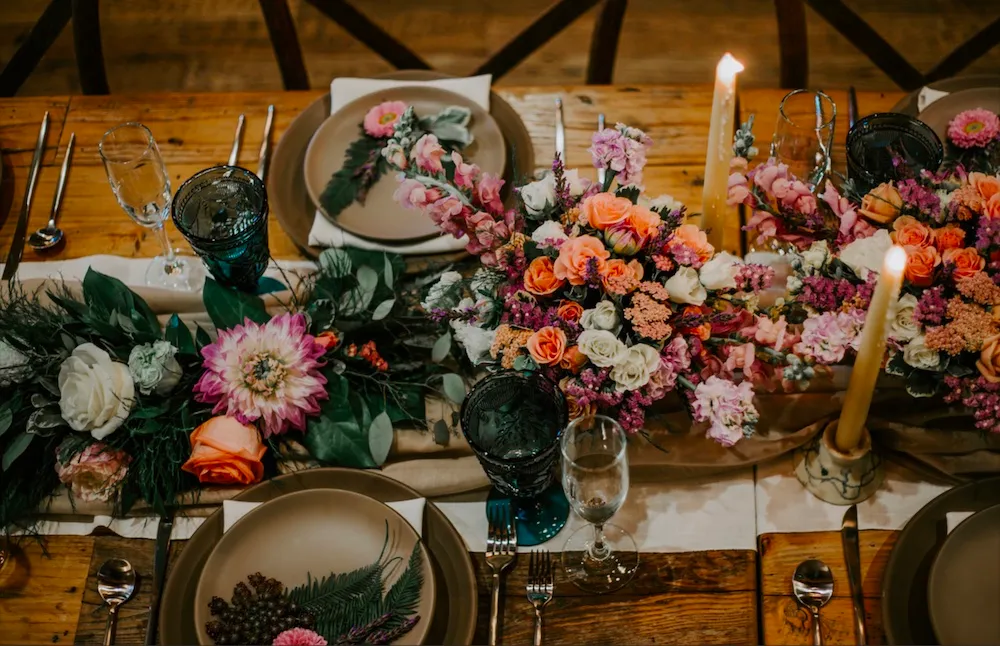
Dietary Accommodations for Private Events
A seed-oil-free kitchen handles dietary restrictions more naturally than most people expect. Many of the most common accommodations — gluten-free, dairy-free, paleo, keto, Whole30 — already align with cooking in traditional fats. A guest avoiding dairy gets dishes finished in olive oil or tallow instead of butter. A guest eating paleo receives a plate that's already built around whole proteins, vegetables, and traditional fats. A guest managing inflammation is eating exactly the food their practitioner would recommend.
Vegan and vegetarian guests are fully accommodated. Olive oil and coconut oil become the primary cooking fats for plant-based dishes, and the kitchen's relationship with Stone House Farms means there's always exceptional seasonal produce to work with. A roasted beet salad finished in high-quality olive oil with house-grown herbs isn't a consolation plate — it's a dish that makes meat-eaters envious.
Allergy management is handled with the seriousness it requires. Because the kitchen controls its fat sources completely — no mystery blends, no multi-ingredient industrial oils — the chef can trace every fat in every dish back to a single, identifiable source. If a guest has a coconut allergy, coconut oil is eliminated from their plate and replaced with butter or olive oil. If a guest is allergic to tree nuts, the kitchen confirms that its olive oil supply has no cross-contamination. This level of traceability is nearly impossible in kitchens that rely on commercial oil blends, where the label might say "vegetable oil" but the contents vary by batch.
Couples provide their guests' dietary requirements during the planning process, and the chef builds accommodation into the menu from the beginning — not as afterthought substitutions, but as intentionally designed parallel plates that receive the same level of care as the primary menu.
The Connection to Stone House Farms
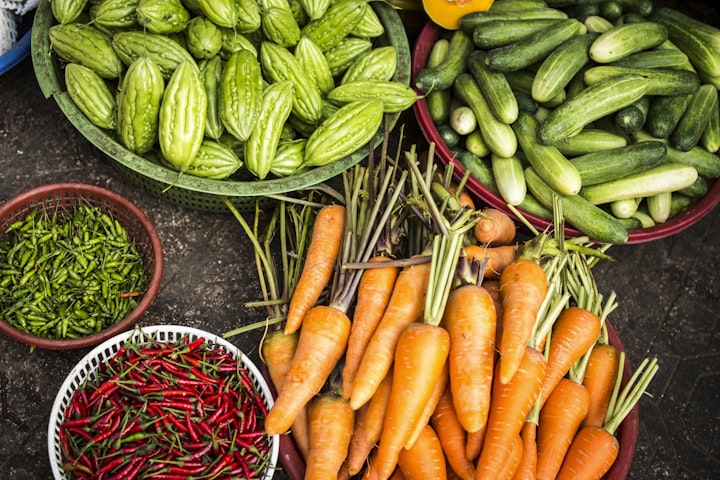
The seed-oil-free kitchen doesn't exist in isolation. It's one piece of a broader commitment to regenerative agriculture and intentional food sourcing that runs through everything Stone House does. Stone House Farms grows chemical-free produce on dedicated farmland, using practices that build soil health rather than deplete it — cover cropping, composting, rotational planting, minimal tillage. The farm doesn't produce enough to supply every ingredient for every event, but it anchors the kitchen's philosophy in something physical: the dirt, the seasons, the actual work of growing food without shortcuts.
When the farm produces summer tomatoes, those tomatoes appear on August event menus. When the herb garden peaks in late spring, fresh basil and thyme become finishing elements on June wedding plates. When the farm rests in winter, the kitchen leans on its network of regional producers who share the same values — small-scale, chemical-free, transparent about their practices.
This connection matters to couples for reasons that go beyond nutrition. It tells a story. When your guests sit down to dinner and the chef can say that the salad greens were harvested that morning from the venue's own farm, that the beef came from a regenerative ranch an hour away, and that every dish was cooked in olive oil pressed in the Central Valley — that's a narrative of intention that guests remember. It transforms dinner from a logistical necessity into a reflection of the values that brought you to Stone House in the first place.
What This Means for Your Event
Choosing a seed-oil-free venue isn't about restriction. It's about a higher standard of hospitality. You're telling your guests, through the food you serve, that you thought about what would nourish them — not just what would fill them. You chose a kitchen that uses the same fats your great-grandparents cooked with, prepared by chefs who know how to make those fats sing at a level that casual home cooking can't reach.
For couples who already eat this way, Stone House eliminates the compromise that wedding planning usually demands. You don't have to choose between a beautiful venue and food that matches your values. You don't have to send ingredient questionnaires to caterers and hope they're being honest about what's in the fryer. You don't have to worry that the gorgeous plated dinner your guests are eating is silently loaded with the same industrial fats you've worked to eliminate from your own life.
For couples who haven't thought much about cooking oils before, the tasting usually speaks for itself. The food is simply better. Not in a virtuous, this-is-good-for-you way, but in a this-is-the-best-catered-meal-I've-ever-had way. That's the real argument for seed-oil-free cooking at scale: it produces food that people remember, talk about on the drive home, and ask about months later.
Every private event at Stone House — weddings, corporate gatherings, milestone celebrations — benefits from this kitchen philosophy. It's not a premium add-on or an upcharge. It's how the kitchen operates, across all three menu tiers, for every guest at every table.
Ready to taste the difference? View the full menu tiers or get in touch to begin planning your private event at Stone House.